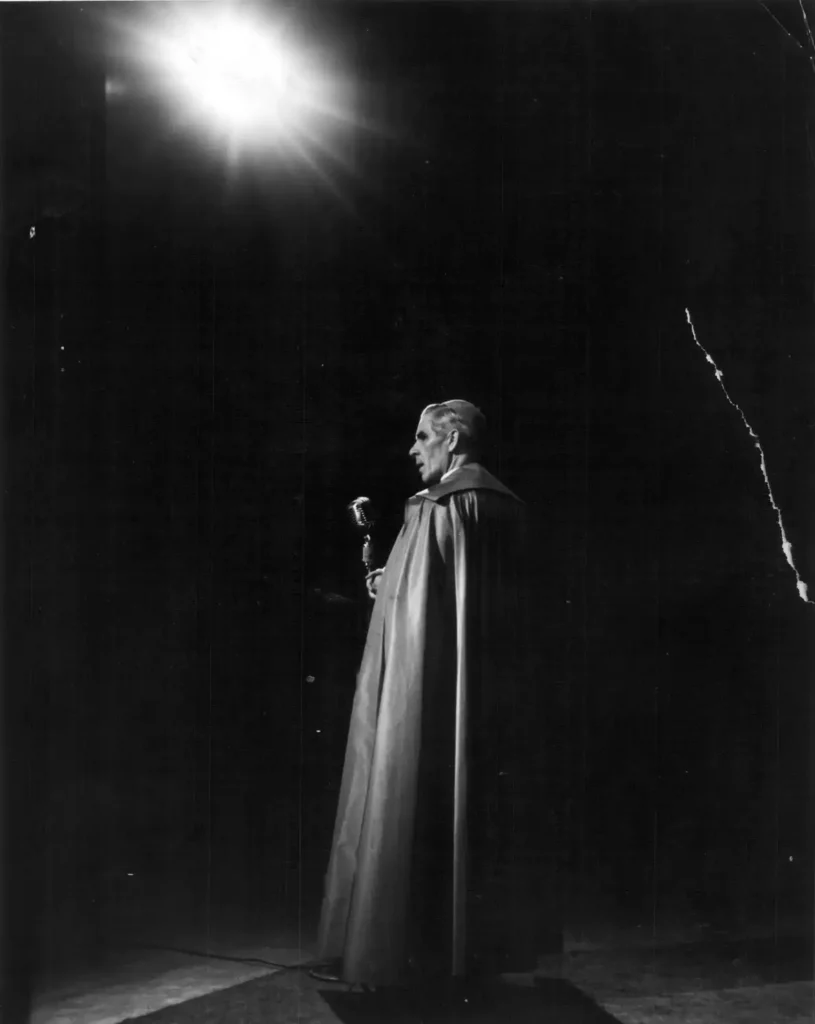
A voice crying in the wilderness.
Once, the wilderness was a desert.
Today, perhaps, it looks rather different.
It glows in the palms of our hands. It scrolls endlessly. We comment, react, argue and pronounce judgement. Never have we had so many ways to speak; and perhaps never has it been so difficult to speak with one another.
T. S. Eliot once wondered where the wisdom had gone in all our knowledge, and where the knowledge had gone in all our information. Nearly a century later, the question feels strangely at home.
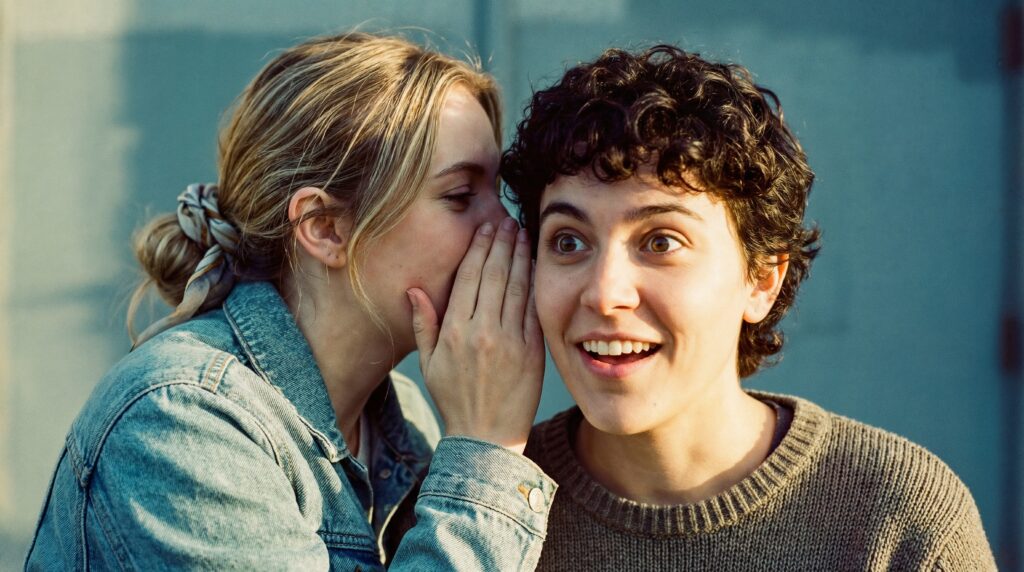
Some voices speak from faith. Others from doubt. Some are angry, wounded, searching. Some ask questions for which they have no answers. And some are trying to listen.
Il-Leħen wants to make room for all of these voices.
Not because every voice says the same thing. Quite the opposite.
We want to create a space where differences are not immediately turned into battle lines; where conversation does not require certainty before it begins; where the human being behind an argument is not lost inside it.
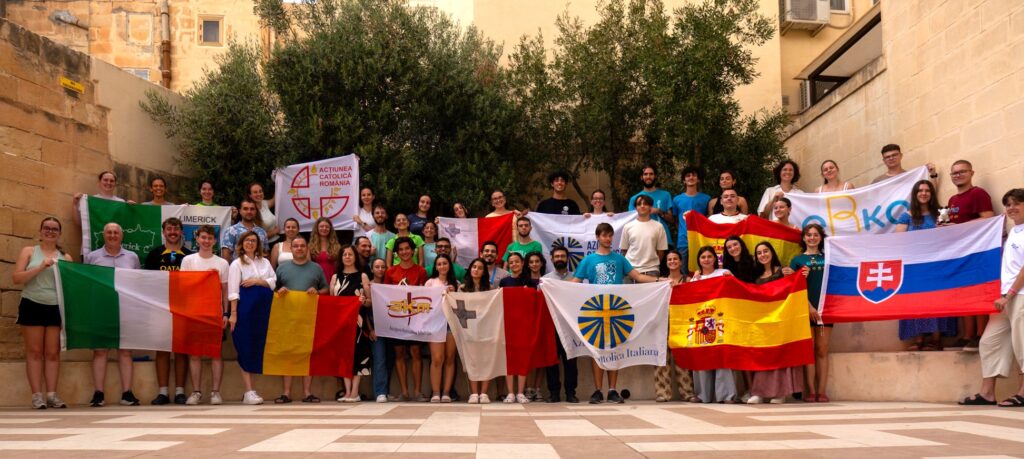
A place where faith can encounter science without fearing it, and science can question faith without being treated as its enemy. Where economists and philosophers, politicians and artists, theologians and scientists can find themselves in the same conversation. Where generations can speak across the distances growing between them.
Where the believer is welcome. But also the person who doubts. The person who searches. The person who is perhaps angry. The person who does not yet know what he or she believes.
Because dialogue does not begin once our differences have disappeared. It begins when we are willing to meet within them.
There are quieter voices too.
The one we carry inside ourselves and sometimes spend years avoiding. The voice of a Church still unfolding. The voice of those who feel forgotten, unheard or pushed to the edges.
The voice of a generation trying to make sense of a world changing faster than the language inherited to describe it.
Il-Leħen does not pretend to possess every answer to the questions these voices raise.
We would rather begin by taking the questions seriously.
We want to enter the conversations already shaping our lives: artificial intelligence and loneliness; economics and dignity; politics and responsibility; science and wonder; sexuality and relationships; culture and identity; suffering and hope; belief and unbelief.
Not from a distance. Not merely once they have become headlines. But where they touch the human person.
Because nothing genuinely human should be foreign to the conversation.
There will be arguments that make us uncomfortable. Questions that refuse easy answers. Conversations that leave something unresolved.
That is not a failure of dialogue. It may be its beginning.
A voice does not have to shout to matter. Nor does it have to silence another voice in order to be heard.
It has to have the courage to speak. And the humility to listen.
Perhaps Malta needs more spaces where we can still do both.
We hope Il-Leħen can become one of them.